
 01
01
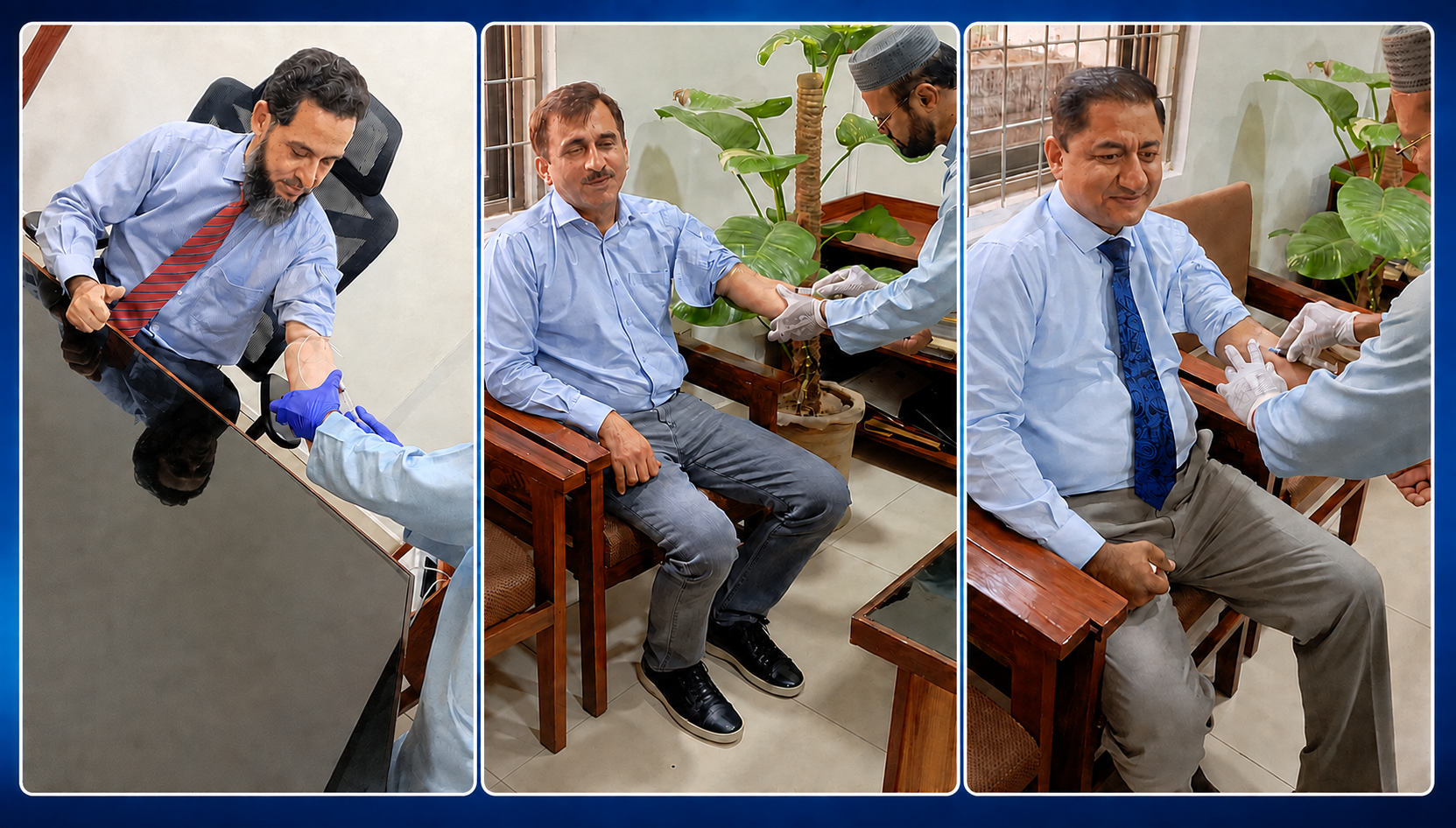
Cancer Sample Collection
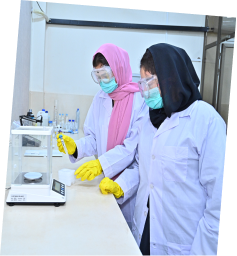
Collection of biological samples for laboratory investigation and the identification of potential indicators associated with cancer.
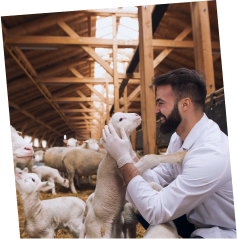
One Health takes a holistic approach to global health by integrating human, animal, and environmental health. Key research areas include Detection and Surveillance, Antimicrobial Resistance, Public Health, Climate Resilience, and Sustainable Animal Production Systems.
Challenges include integrating diverse disciplines and sectors, fostering interdisciplinary collaboration, navigating differing priorities among stakeholders, and ensuring sustainable funding and political support. Overcoming these challenges is crucial for achieving comprehensive health outcomes in an interconnected world.
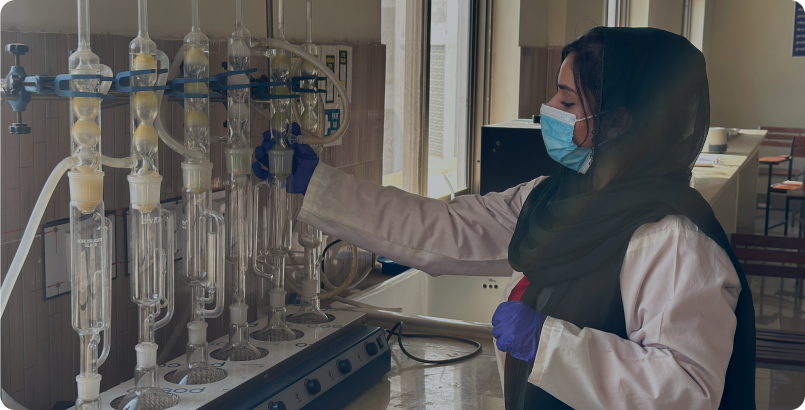
As an initial preliminary activity, the IRCOH team, University of Sargodha, has initiated collaboration with the University of Lancashire, UK, to explore the potential of Fourier Transform Infrared (FTIR) spectroscopy for early cancer detection. The initial work focuses on establishing the collaborative framework, developing and optimizing FTIR-based analytical procedures, and exploring the feasibility of analyzing biological samples such as serum, urine, and saliva. FTIR spectroscopy provides molecular fingerprints reflecting biochemical changes in proteins, lipids, nucleic acids, and metabolites, which may help differentiate healthy and cancer-associated samples. At this preliminary stage, efforts are directed toward method development, sample preparation, spectral acquisition, data standardization, and preliminary spectral analysis, with plans to incorporate chemometric and machine-learning approaches. This collaborative initiative aims to generate preliminary evidence for the development of an affordable, rapid, and minimally invasive approach for early cancer detection, with particular relevance to improving accessible cancer screening in Pakistan
01
Collection of biological samples for laboratory investigation and the identification of potential indicators associated with cancer.
 02
02
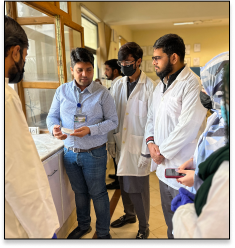
Careful collection, documentation, and handling of samples to support accurate diagnostic analysis and reliable cancer research.
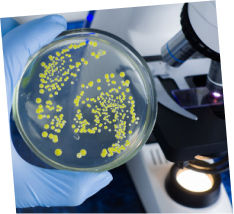
The UOS-IDRC Project aims to combat antimicrobial resistance by promoting non-antibiotic methods to improve poultry health and safeguard food security.
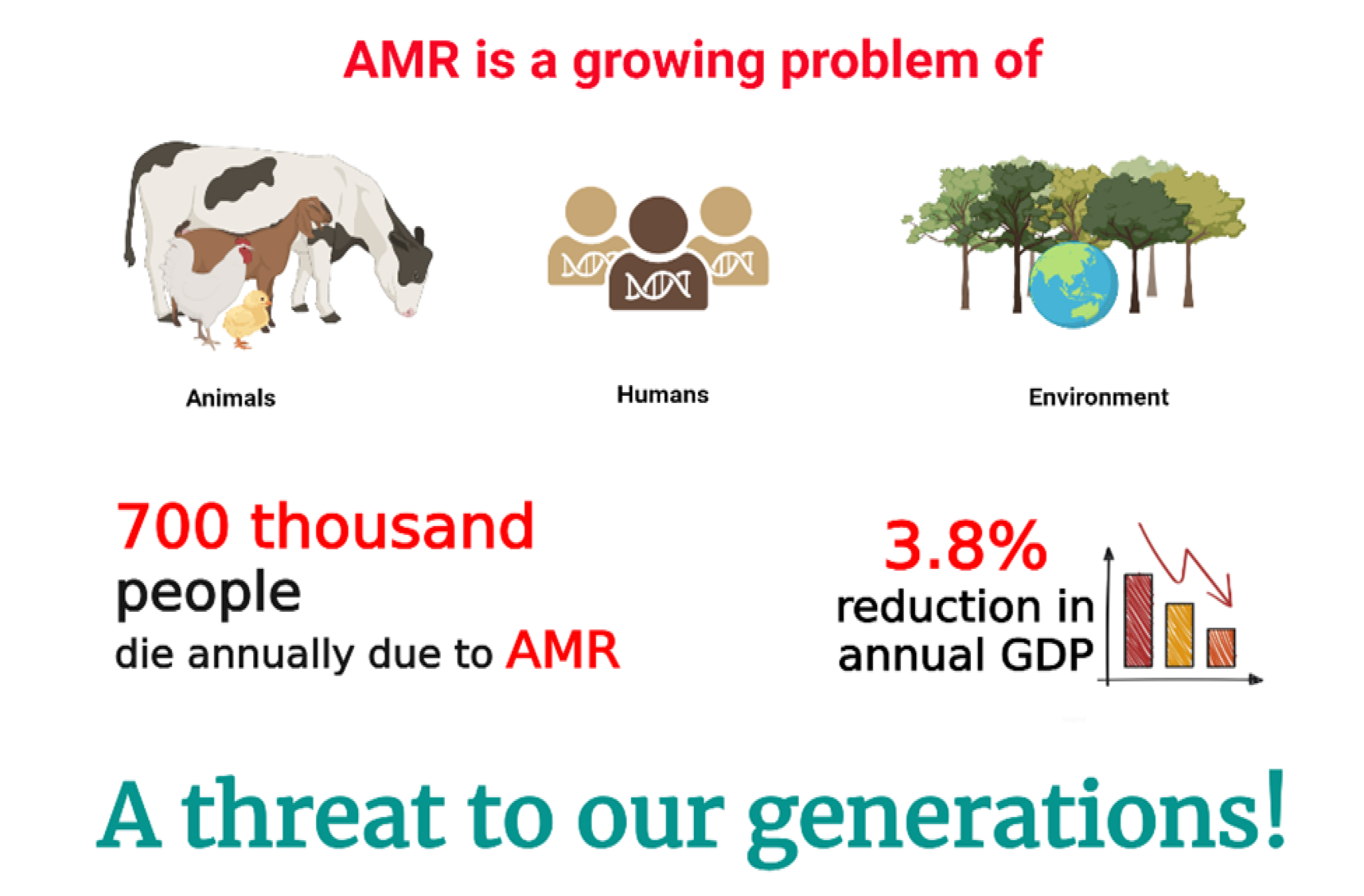
Antimicrobial resistance (AMR) in animals remains a growing problem that threatens our ability to effectively treat bacterial infections in humans and animals.
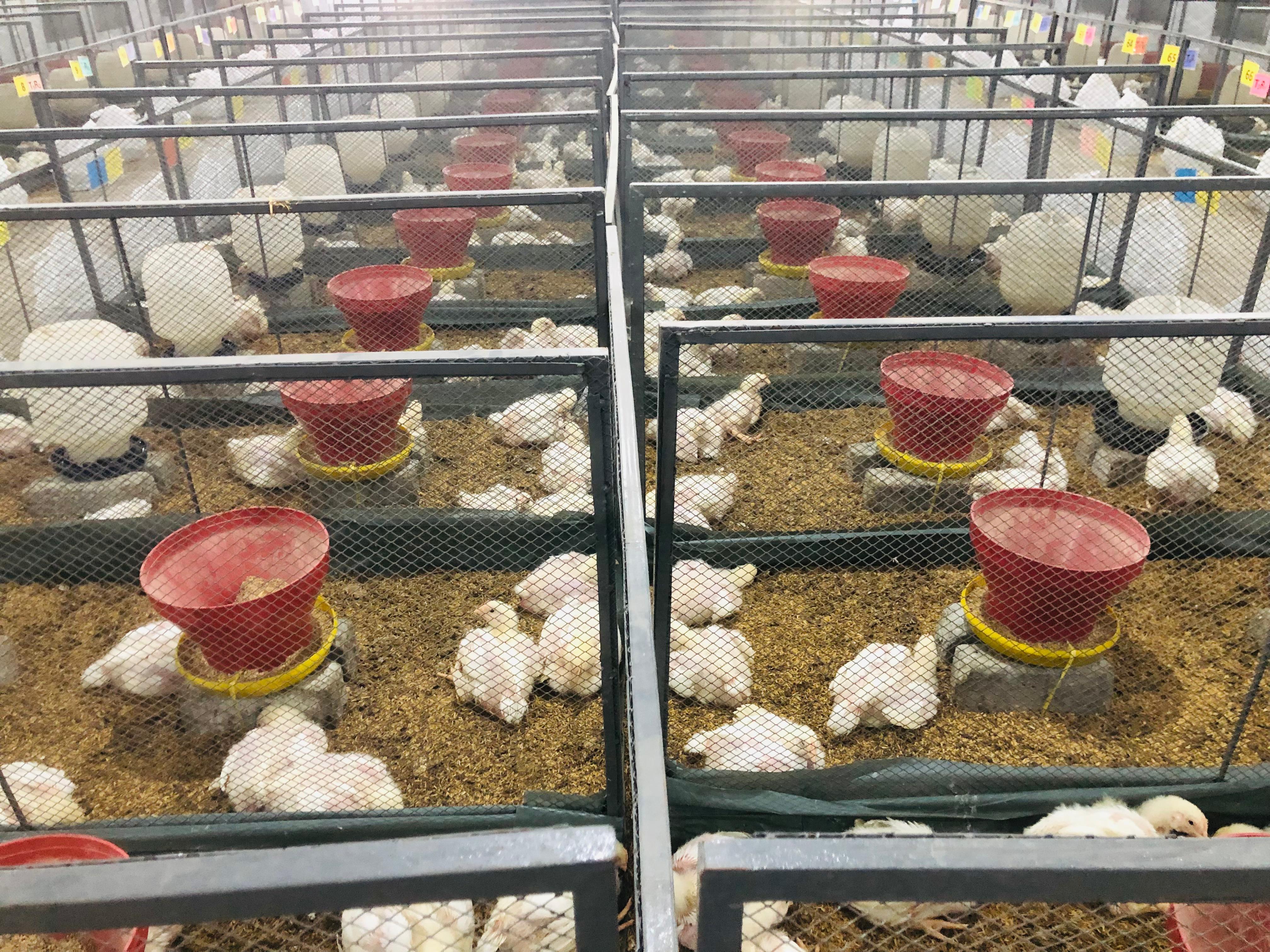
Poultry farming urgently needs natural, safe, and cost-effective alternatives to antibiotic growth promoters for sustainable and efficient production to meet global food demands.